
FIRST AID Online Course

We’re a Premium Online Certification Provider for Healthcare Providers, Workplace Individuals and the Community. We offer a 100% risk-free, money-back guarantee on all Courses! Made Quick, Easy & Simple!

Earn Your FIRST AID Certificate Today!

Certificate Verification

Verify Your Certificate

Don’t know your Certificate ID? Click here to enter your email address


In this FIRST AID Certification Class you’ll learn clear and easily digestible in minutes, explaining how to treat various wounds, heart conditions, fractures, burns, poisoning, and more, all from the comfort of your favorite chair.
 
The material is designed for quick study, but you have the option of taking as long as you need to complete the course and exam.

And at the end of it all, you are able to walk away with an instantly printed certificate that is valid for up to two years. Whether you are getting certified for the first time, or are seeking quick and convenient first-aid recertification, this is the course you are looking for.

The FIRST AID Training Test is the final step in your certification journey. Designed to review everything learned through the course modules, the final exam is thorough as well as focused. Consisting of 12 multiple choice questions that cover all of the important aspects of FIRST AID, it can be completed in a few minutes and may be taken as many times as necessary before you pass.

Kindly Open the Module 1-7 below for your reference to answer the 12 number before continue to EXAMINATION.

Modules

What is First Aid?

From cuts and burns to fractures and nosebleeds, many accidents take place every day. Understanding First-Aid procedures will not only better equip you in the case of an unexpected emergency but could perhaps mean the difference between life and death. In this course, we will examine basic First-Aid procedures. At the end of the course, you’ll be tested on your knowledge and have the peace of mind of knowing you may be able to help someone in need.

Good Samaritan Law

The Good Samaritan Law protects all who assist those who are injured, ill, or in peril. As long as someone is voluntarily taking action without expectation of reimbursement or compensation while performing such aid, on-site, they will have legal protection.

Understanding Duty to Act

Duty to act is the duty requiring a person to take necessary action in order to prevent harm to another person or to the general public. Whether you are required to follow through depends on the situation and the relationship between the parties. In some cases, breach of duty may put a party at liability for damages.

For laypersons, duty to act requires that you provide care if you have a legal duty. If you do not have a legal duty to provide care, you are not required to provide it.

Fear of providing care

There are a number of factors to weigh up when considering providing care. COVID-19 is an important concern, but the risk of contracting diseases can be reduced by wearing personal protective devices like masks, gloves, and gowns that limit exposure.

If you feel fear of providing care due to possible legal issues, know that rescuers who provide care without a legal duty and act in good faith are protected by Good Samaritan laws.

If the situation is actively unsafe, do not attempt care. If you or the victim are at risk, it is best to call EMS and wait for support to arrive.

In some cases, you may be unable to save a victim. Rescuers should still attempt to provide the best care they are able to. A victim’s chances of survival can be improved by even basic efforts at life support. In accidents, victims who are clinically dead may still be helped when given care. Rescue efforts will not worsen their condition.

Following a traumatic situation in which you provided care, you may experience overwhelming emotions. If you continue to feel symptoms like depression, be sure to seek help from a professional source.
Items you’ll need in a medical kit:

  1. Gauze pads (at least 4 x 4 inches).
  2. Two large gauze pads (at least 8 x 10 inches).
  3. Box of adhesive bandages (band-aids).
  4. One package of gauze roller bandage at least 2 inches wide.
  5. Two triangular bandages.
  6. Wound cleaning agent (such as sealed moistened towelettes).
  7. Scissors.
  8. At least one blanket.
  9. Tweezers.
  10. Adhesive tape.
  11. Latex gloves.
  12. Resuscitation equipment (such as resuscitation bag, airway, or pocket mask).
  13. Two elastic wraps.
  14. Splints.
  15. Directions for requesting emergency assistance.

Remember the Goal: Recognize when help is needed and how to get it. Learn how and when to access the Emergency Medical Services (EMS) system, (e.g., call 911), activate the emergency response plan, and contact the Poison Control Center (1-800-222-1222).

The faster you seek advanced care for the patient, the higher the survival rates. If you are alone and in harm’s way, provide basic care before leaving (if possible) and activate EMS.


What is Personal Protective Equipment?

PPE (Personal Protective Equipment) keeps you safe from blood, hazardous materials, and OPIM. PPE includes:

  • Face shields
  • CPR shields
  • Gloves
  • Goggles
  • Gowns
  • Masks

All Personal Protective Equipment promotes safety by creating a barrier between you and the infection/hazardous materials. Before arriving at the scene of the accident, you must assess the situation to determine the risks and to use the proper PPE.

PPE examples include gloves that provide protection against exposure. Face shields provide splash and high impact protection, while gloves protect against exposure from skin contact with chemicals, infectious agents, cold, heat, and cutting objects. For proper protection, be sure to use the correct hand.

Goggles are designed to reduce the risk of exposure to laser radiation, chemical splashes, or flying debris. Gowns are used to prevent the penetration of infectious blood, hazardous materials, or other OPIM. Masks are used to protect the employee from airborne materials or liquid contaminating the face.

Open Chest Wounds

Open chest wounds may be left open. Dress the wound (with a sterile pad, wrap, etc.) and apply direct pressure to stop the bleeding. Extreme care is required so the dressing doesn’t become saturated with blood. Dress the wound appropriately and modify the procedure as needed.

The patient should be observed for signs of pneumothorax (air in the chest cavity). It’s a potentially life-threatening condition that sometimes develops with open chest wounds. If possible, check for signs of another open wound that may also be allowing air into the chest cavity if the injury involved an object that may have entered and exited the victim’s body.

Dressing Open Chest Wounds

Activate the Emergency Response System first. Check to see if there is more than one open wound that will need to be properly dressed. The dressing should only be applied if there is rapid blood loss. Remove clothing covering the chest, but leave stuck clothing. Cut the dressing and make sure it’s larger than the wound. Seal the wound to prevent the loss of blood and apply pressure if needed. Never remove objects from the wound.

Punctured Wounds

Wounds involving puncture of the skin can be severe. Care should be taken to prevent the puncture wound from becoming infected. If the wound has excessive bleeding, call 911 for specific assistance with how to proceed. Should the patient fall unconscious or be non-responsive without a pulse, call 911 and perform CPR.

Treatment:

  1. Stop the bleeding.
  2. Apply thorough pressure (seek EMS attention if bleeding is excessive).
  3. Clean the wound thoroughly with water and soap (stay clear of the injury itself).
  4. Apply an ointment (such as Neosporin).
  5. Provide a pain reliever (e.g., Advil, Tylenol).
  6. Wrap the wound to prevent infection.
  7. Seek medical attention at the nearest hospital or urgent care facility if the injury worsens.
  8. Have the patient get a tetanus or tetanus booster shot.

Amputations

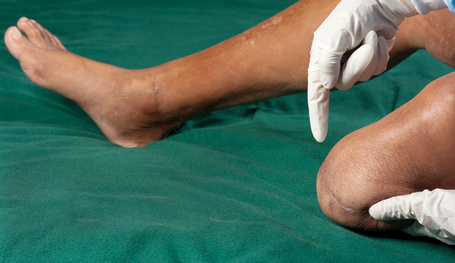
Amputations involve the accidental loss of one or more limbs. Due to the risk of severe blood loss, amputations should be treated promptly. Remain calm and describe the nature of the amputation to the emergency response operator when calling for assistance.

Treatment:

  1. Always practice universal precautions.
  2. Call 911 immediately.
  3. If the patient isn’t breathing, perform CPR.
  4. Apply direct pressure. Raise the injured area. Use a tourniquet or tight bandage, if needed.
  5. If possible, clean the amputated part and make sure to keep it with the patient.
  6. Wrap the amputated part in a cloth and put it in a plastic sealed bag inside of a container of ice water.
  7. If the amputated part is below the heart, raise the legs 12 inches above the heart.
  8. Watch for any signs of shock.

Cuts and Scrapes

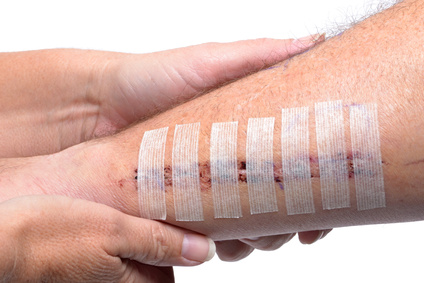
Cuts and scrapes can be minor or severe, depending on the specific trauma to the skin. Typically. the biggest concern with wounds of this nature is the bleeding.

Treatment:

  1. Stop the bleeding.
  2. Apply thorough pressure (seek EMS attention if bleeding is excessive or the cut is deeper than 1/4 inch).
  3. Thoroughly clean the cut/scrape with water and soap (stay clear of the injury itself).
  4. Apply an ointment such as Neosporin.
  5. Provide a pain reliever.
  6. Wrap the injury to prevent infection.
  7. Seek medical attention at the nearest hospital or urgent care center if the injury worsens.
  8. Have the patient get a tetanus or tetanus booster shot.
 
  
Example Clips Below

Cardiopulmonary Arrest

Cardiopulmonary Arrest (cardiac arrest, heart attack) occurs when there are ineffective contractions of the heart that cause a cessation (stoppage) of blood circulation throughout the body. The end of circulated blood will eventually lead to a patient falling unconscious due to a lack of oxygen to the brain if no action is taken. Brain damage is also possible if circulation isn’t resumed. An immediate response is crucial in saving the life of a cardiac arrest patient. It’s critical to perform CPR immediately.
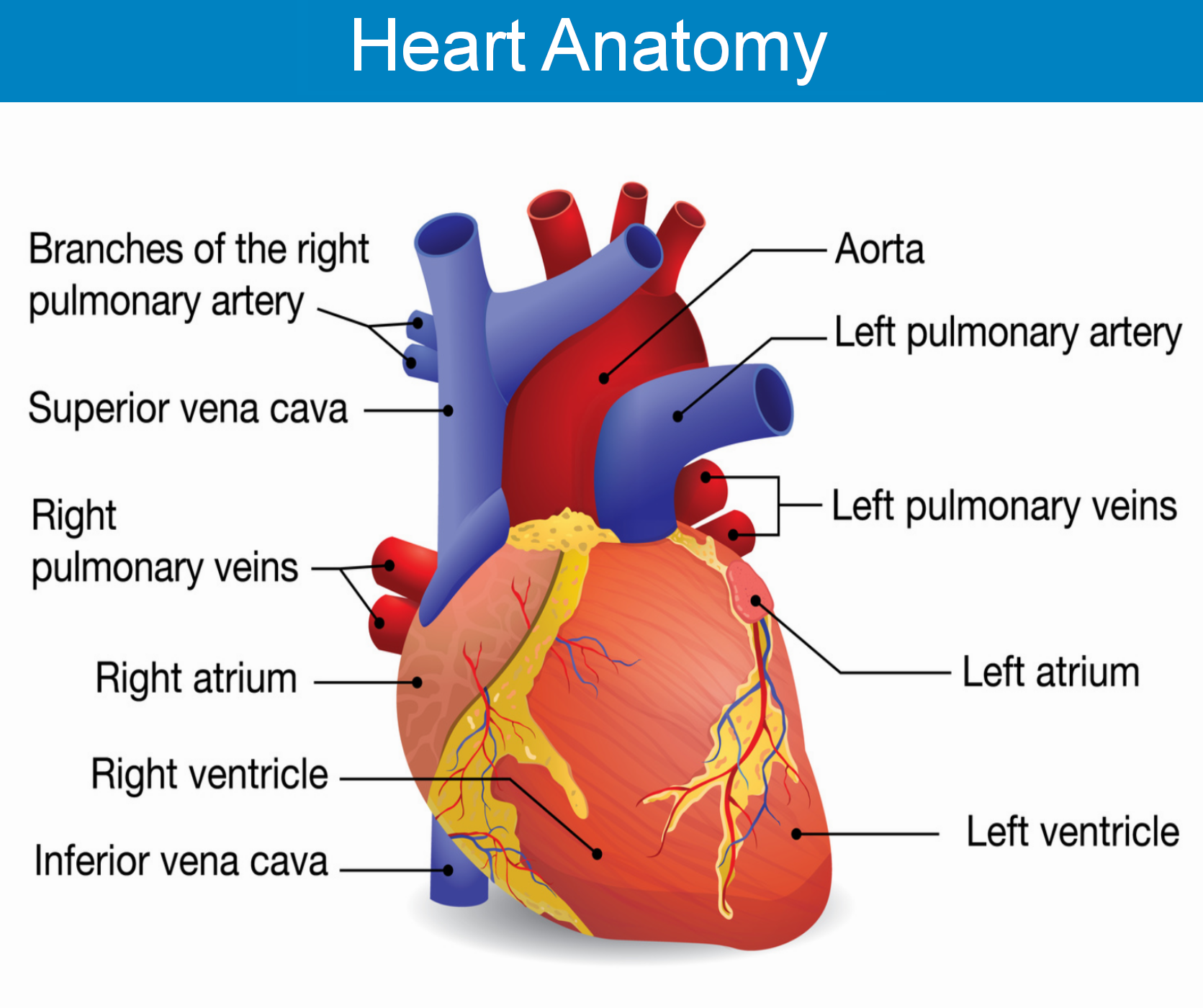
Cardiac Arrest, Human Heart Anatomy, cardiac arrest warning signs, cardiac arrest help, cardiac arrest first aid

Heart Attack

Specifically, a Heart Attack is when the heart isn’t receiving oxygenated blood. When a patient isn’t receiving oxygenated blood, vital organs throughout the body can no longer function. The patient may experience pain in the center of the chest, sweating, nausea, dizziness, and faintness. Pain may be felt throughout the body in areas such as neck, shoulders, jaw, teeth, and arms.

Treatment: Call 911 immediately or rush the patient to the nearest hospital if symptoms of a heart attack are appearing. Have the patient chew aspirin (unless allergic or told otherwise by the 911 operator). If the patient is unconscious or unresponsive, perform CPR.
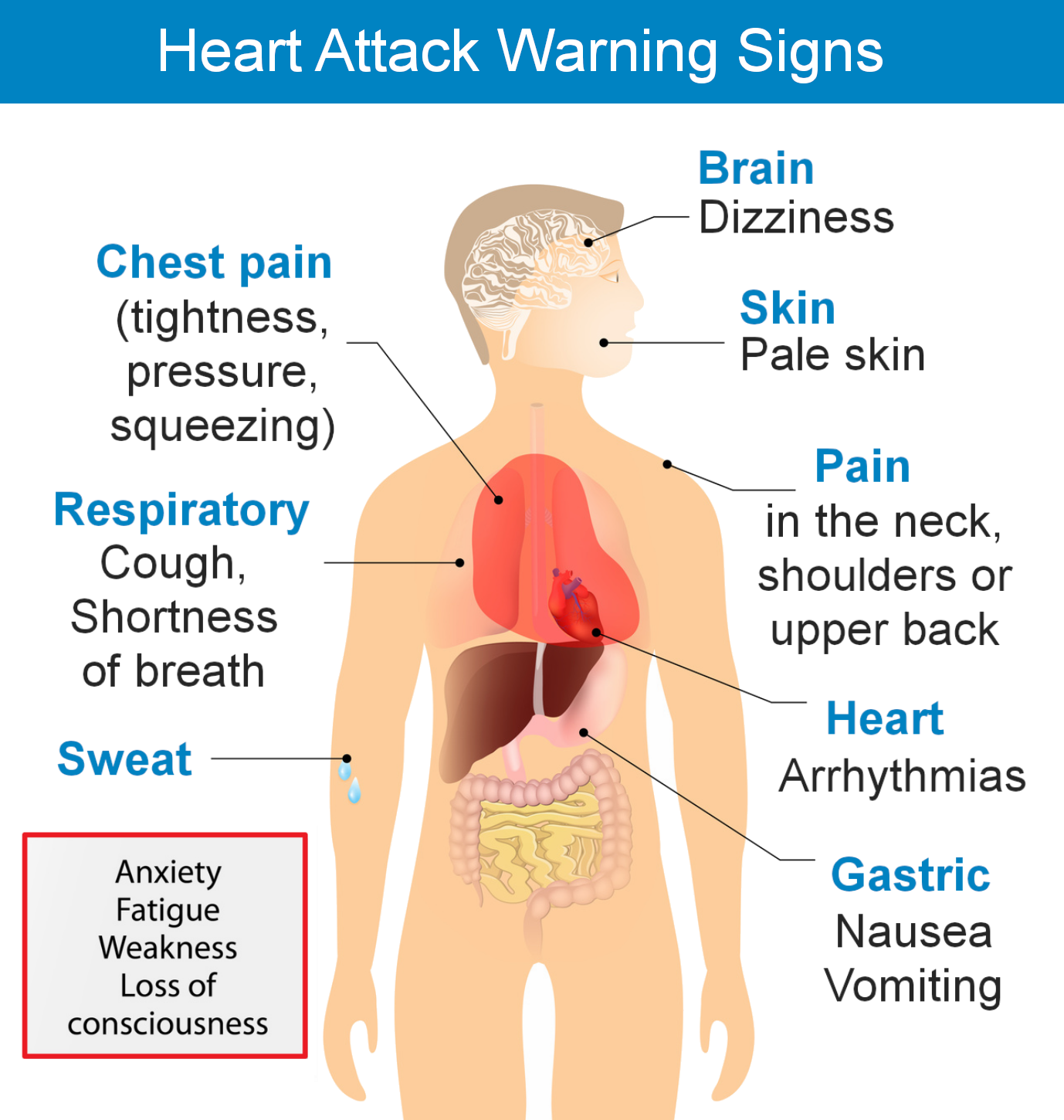
heart attack, heart attack symptoms, heart attack warning signs and care, heart attack warning signs

Chest Pain

May, or may not be a life-threatening heart problem. Chest pain may feel like a sharp, stabbing pain or a dull ache.

Treatment: For patients with chest pain, the provider may encourage the patient to chew one adult or 2 low-dosage aspirins (if signs suggest the patient is having a myocardial infarction, or heart attack, and if the patient doesn’t have allergies to aspirin). If the provider is unsure or uncomfortable with giving the victim aspirin, wait for guidance from 911 personnel.

Respiratory Arrest

Respiratory arrest is the cessation (stoppage) of oxygen throughout the body. Failure of the lungs to deliver oxygen can result in death if no action is taken. A lack of oxygen to the brain will cause a loss of consciousness and death. Immediate treatment is essential for the chances of survival.

Treatment: Artificial ventilation treatment is the standard emergency action required for saving respiratory arrest patients. Call 911 immediately and perform CPR.
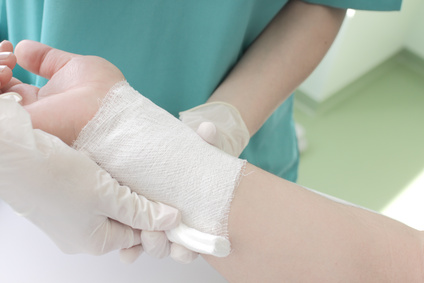
A Fracture can be very severe. It’s important to understand Fractures and understand what to do according to the severity of the injury. If there are any signs of a concussion, broken bones in the neck, head or back, deformed joints, no pulse, heavy bleeding, any abnormalities of the broken bone such as a piercing of the skin, irregularly fixed, call 911 immediately and perform CPR, if required.

Treatment: Make sure to stop the bleeding by applying pressure to the Fracture and wrapping it if necessary. Apply a splint to the Fractured area. If the patient isn’t moving, do not try and move the patient yourself. If needed, apply a cold cloth or ice to the fracture.

Remember: if the patient appears to be light-headed or on the verge of fainting lift the legs slightly higher than the victim’s heart to raise the blood pressure.

Dental Avulsion — For lack of skill and required training to re-implant an avulsed tooth it may be beneficial to store the tooth in solution. Storing the tooth in solution prolongs the viability of dental cells. Such solution, which has shown efficacy: Hank’s Balanced Salt Solution. Cell viability: 30-120 minutes.

Bruises are broken blood vessels that leak under the skin—dark spots caused by a blow, fall, etc.

Treatment: Make sure to elevate the injured area which will alleviate the pain. Also, apply an ice pack or cold cloth. If needed, have the patient take a pain reliever such as Tylenol to reduce the pain and swelling. If the Bruise appeared on the head or if the bruise lasts longer than two weeks consider taking the patient to the hospital.

Sprains & Strains differ in where the injury takes place on the body. Sprains occur in any ligaments, such as ankles, wrists, etc. Strains result from a torn muscle or tendon. Strains can arise in the back (hamstring) or thigh, etc.

Treatment: Rest the Sprained/Strained area in a sling, crutch or flint. Make sure to place ice over the area to prevent swelling and limit the application to 20 minutes unless the patient is irritated – limit 10 minutes. Make sure to apply a bandage to the joint or limb or use a brace, if possible. Make sure to raise the patient’s Sprained/Strained part 12 inches above the heart.


Example Clips Below

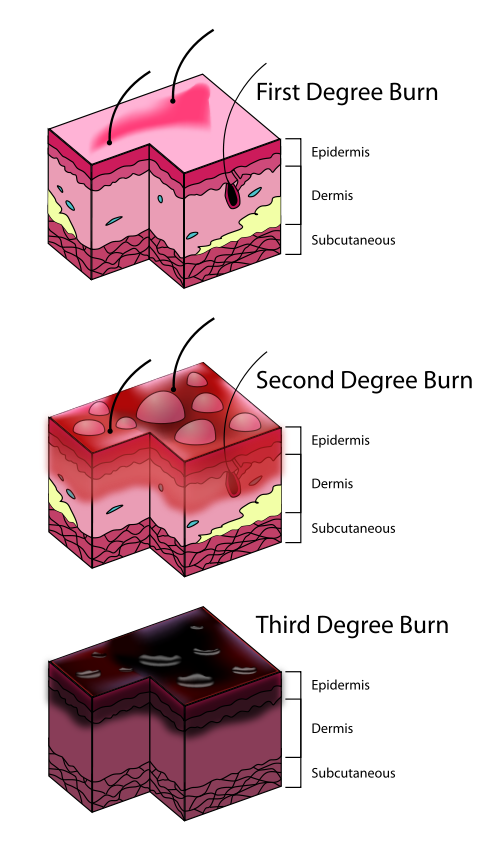
Burns vary on the degree of which layer the burn reaches. Remember, there are three standard categories— 1st-degree, 2nd-degree, and 3rd-degree.

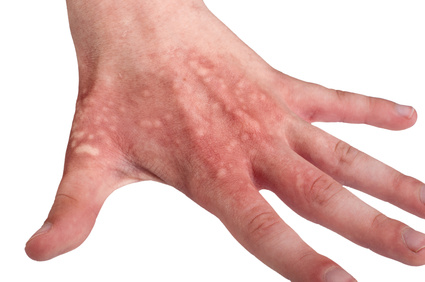
1st-degree Burns have persistent pain, are red, and usually are accompanied by swelling.

Treatment:
1. Keep the burn cool (wrap the burn with a cold cloth or soak the wound in a bath.
2. Apply ointment such as Aloe Vera.
3. Wrap the wound with gauze (keep from infection). Replace, once a day.
4. Administer a pain reliever such as Advil.

2nd-degree Burns refer to the burn breaching the 1st layer of skin and reaching the 2nd. Usually, there will be blisters accompanied by severe pain and swelling.

Treatment: if the burn is larger than 3 inches, seek medical attention at your nearest hospital. If the burn is smaller than 3 inches, treat it as you would a 1st-degree burn.

3rd-degree Burns are the worst of all. These burns will be charred and can be deeper than the 3rd layer of the skin. Medical attention is much needed, and you should call 911 immediately. 3rd-degree burn patients usually won’t feel much pain due to the charring of nerve-endings.

Treatment:
1. Call 911 or rush the patient to the nearest hospital.
2. Perform CPR, if needed.
3. Do not remove the patient’s clothing.
4. Raise the burn injury above the patient’s heart (increase blood pressure).
5. Cover the injuries in a cold, moist cloth (material).

Remember, never add anything frozen to cool of a burn. Placing ice on the injury can cause tissue ischemia. Cool burns with clean cold water for at least 10 minutes. If water isn’t available than a clean, cool compress can be used as a substitute.

If needed (when evaluated by the provider), activate EMS immediately if:
1. Blistering or broken skin.
2. Difficulty breathing.
3. Face, neck, hands, or genitals.
4. A larger surface area, such as trunk or extremities.
5. Or, other causes of concern.

Electroshock’s can cause no harm, mild harm or severe harm.

Treatment:
1. Call 911 if the patient underwent any serious injuries.
2. Perform CPR, if needed.
3. Turn off the power source.
4. Make sure the patient is free of all electrical currents before touching the patient.
5. Move patient away from the power supply (use non-conductive materials if possible.
6. If needed, raise the patient’s legs above his/her heart to increase blood pressure.

Click For Tip

Many Bites & Stings have mild reactions; however, some bites and stings can have serious consequences, if untreated. Most stings aren’t fatal, but few insects do carry life-threatening viruses and diseases, such as West Nile Virus, Zika Virus or Lyme Disease. If severe reactions (anaphylaxis) are present, these are some symptoms you should look for: lowered blood pressure, abdominal pain, difficulty breathing, swelling, redness, vomiting, and nausea.

Mild reactions: Use universal precautions, remove the stinger, apply a cold pack, give the patient a pain reliever, and use ointment, such as Benadryl, or any antihistamine, if necessary. Mild allergic reactions are diarrhea, swelling, cramps, nausea, and vomiting.

Severe reactions: Difficulty breathing, swelling (lips, throat, etc.), nausea, vomiting, hives, rapid heartbeat, and faintness and dizziness.

Treatment: Administer an epinephrine auto-injection into the patient’s mid-outer thigh, not buttock, hands, feet, veins, or other body parts. Perform CPR, if needed. Have the patient lay on his/her side to prevent choking, if necessary.

If a Poisoning is suspected, make sure to call the National Capital Poison Center at 1-800-222-1222. Signs of Poisoning: vomiting, difficulty breathing, sleepiness, confusion, burns (redness) around the mouth, chemical odors out from the mouth, and burns on clothing or skin. For poison-ingestion do not administer anything by mouth unless advised to do so by the PCC or EMS personnel.

Treatment: Make sure to take the patient outside for fresh air. Have the patient flush out his/her mouth. Make sure to read the label of the chemicals that were induced and read the instructions for poisoning. Flush the patient’s eyes and have the skin cleansed. If the patient isn’t breathing, perform CPR. Make sure to provide EMS personnel with the label if the patient needs medical attention.

A Drug Overdose is a dose larger than the recommended assumption. Many reactions can occur, such as sleepiness or unconsciousness, excitement with a rapid heartbeat, hallucinations, impaired judgment, and decision-making skills. Symptoms: death, unconsciousness, convulsions, delusional behavior, abnormal pupil size, difficulty breathing, nausea, non-reactive pupils, vomiting, sweating, numbness, and violently aggressive behavior.

Treatment: Check universal precautions. Check if there’s a pulse, if not, perform CPR. Keep the patient calm and reassured of his/her safety. Check for any shock symptoms. For seizures and convulsions apply first-aid. Monitor vital signs. Make sure to document any and all drugs taken and keep the container and label. Naloxone should be used by lay persons in suspected opioid-related respiratory or circulatory arrest who have a definite pulse but no normal breathing or only gasping. Naloxone is a drug that reverses the effects of opiates such as fentanyl, oxycodone, heroin, and codeine.

1. For suspected opioid poisoning

  • Check responsiveness
  • Shout for nearby help
  • Activate the emergency response system
  • Get naloxone and an AED if possible
2. Is the patient breathing normally?

If yes, prevent deterioration:

  • Tap and shout
  • Reposition
  • Consider naxolone
  • Continue to assess responsiveness and breathing until EMS arrives
If no, start CPR:


  • Give naxolone
  • Use an AED
  • Resume CPR until EMS arrives

Alcohol Intoxication is the rapid consumption of large amounts of alcohol in a short period. It’s also known as alcohol poisoning and can affect your gag reflex, body temperature, breathing, and heart rate. It can also occur when a child or adult intentionally or accidentally consumes household products that contain alcohol. Symptoms include vomiting, hypothermia (low body temperature), unconsciousness (passing out), seizures, and blue-tinged or pale skin.

Treatment: If you suspect alcohol intoxication, call 911 immediately. Then, move the person away from alcohol. If they’re conscious, encourage them to lie on their side as you await medical attention. If the person is unconscious, gently turn them to their side to prevent them from choking on their vomit.

Carbon Monoxide Poisoning occurs when you breathe in carbon monoxide (CO) at excessive levels, causing it to build up in your bloodstream. CO is a gas produced by burning wood, propane, or gasoline, and it can easily accumulate at dangerous levels in enclosed spaces. Carbon Monoxide Poisoning often results in severe tissue damage and even death. Symptoms include weakness, confusion, dizziness, loss of consciousness, shortness of breath, dull headache, vomiting or nausea, and blurred vision.

Treatment: If you suspect Carbon Monoxide Poisoning, call 911 or your local emergency services immediately. As you await medical care, get fresh air by leaving the area with CO. If you can, it’s wise to turn off the CO source.

Perform CPR if the person loses consciousness or stops breathing.


A Hemorrhage is a loss of blood. There are four classes of Hemorrhages.

1. Loss of 15% blood volume. No change in vital signs.
2. Loss of 15-30% blood volume. Blood transfusion isn’t usually necessary, but may need Saline solution (salt water). Rapid heart beat.
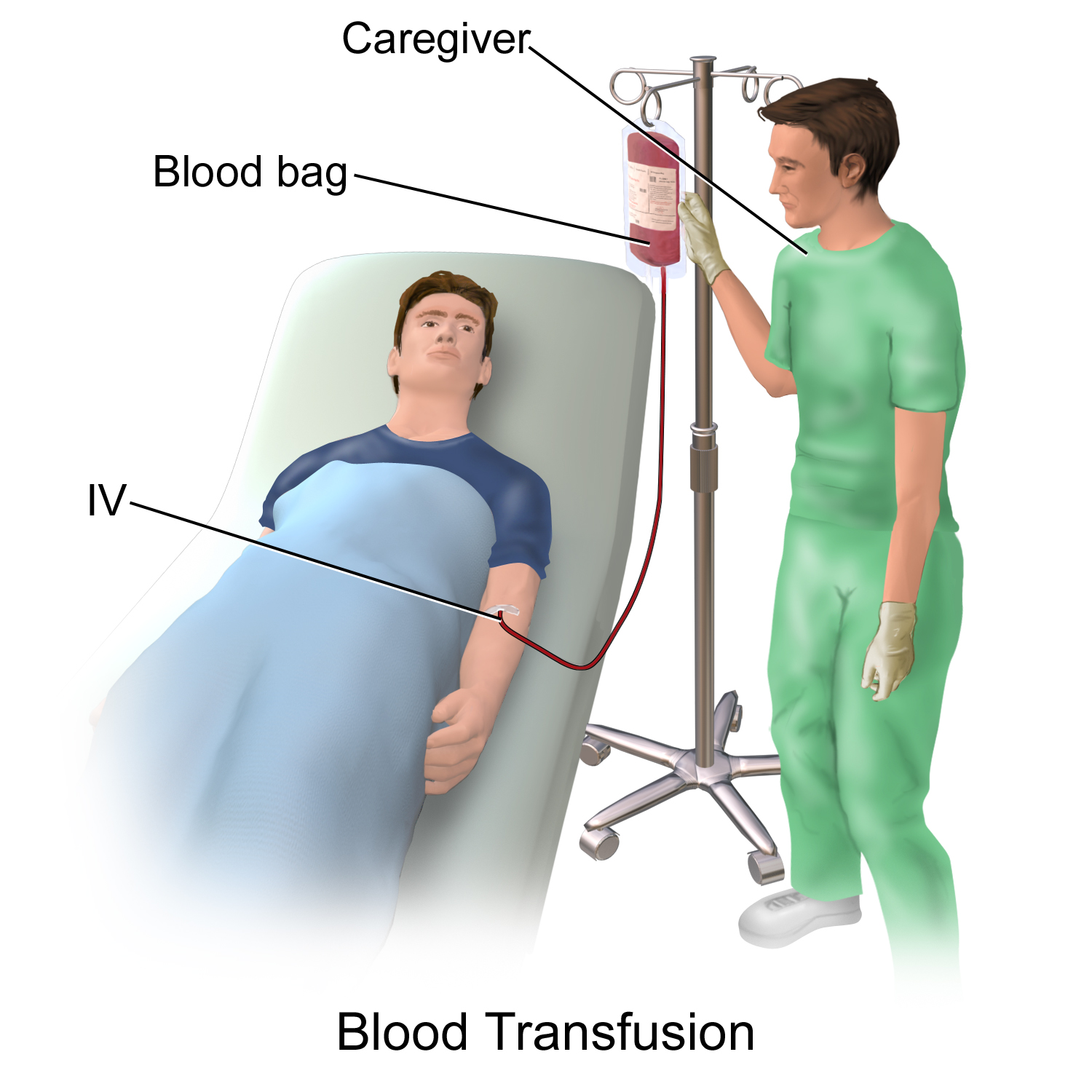
3. Loss of 30-40% blood volume. Blood transfusions are necessary. Drop in blood pressure with rapid heart beat.
4. Loss of 40% blood volume. Resuscitation is necessary for death prevention.

Treatment: Check for universal precautions. Perform CPR, if necessary. Wrap hemorrhage, if possible. Call 911 or bring the patient to the nearest hospital.

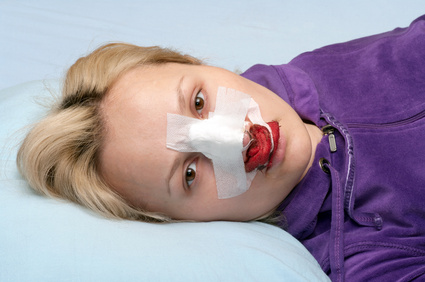
Nosebleeds are very common. Whether it’s a hot day or a minor fall nosebleeds are not a serious medical problem.

Treatment: If the nosebleed results from a more serious injury such as a broken nose or a head injury, make sure to call 911. If the patient falls unconscious or is non-responsive without a pulse, perform CPR. If the nosebleed occurs to be a serious injury make sure to apply pressure for roughly ten minutes—make sure to have the patient breathe through his/her mouth. After applying pressure, make sure to clear the patient’s nose cavity. If the patient is congested, thoroughly wash the cavity or use a decongestant after the patient has tried blowing his/her nose.

If the patient undergoes many nosebleeds, it can be a more serious injury than it appears so have the patient call his/her doctor to set-up and appointment.

Hypoglycemia is a syndrome which results from low blood sugar.

Symptoms: Anxiety, fatigue, heart palpitations, hunger, irritability, pale skin, shakiness, sweating, and tingling sensation around the mouth (may vary from person-to-person).

As it worsens – symptoms worsen, abnormal behavior, blurred vision, confusion state of mind, seizures, unable to perform routine tasks and unconsciousness.

Treatment: For symptomatic hypoglycemia provide a rapid clinical relief with oral glucose tablets. If glucose tablets aren’t available, provide other foods and liquids containing sugars such as fructose, sucrose, and oligonucleotides. Such foods can effectively reverse mild symptomatic hypoglycemia.


Example Clip Below


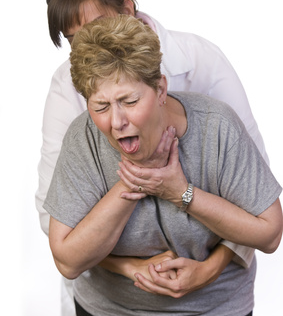
Choking is caused when an object is blocking the throat or windpipe. Adults often choke by large pieces of food, however, children often swallow small toys or other objects.

Remember, the universal sign for choking is mimicking choking yourself. Make sure to ask the patient if he/she is choking because, many times, the person is merely coughing. If the patient is unconscious make sure to call 911.

Infants 12 months or younger: rest the patient on your forearm (face-down), while also resting your forearm, on your thigh. Perform 5 thumps with the heel of your hand upon the infants back. If the patient is still choking turn the infant over, face-up, and with 2 fingers upon the breastplate perform 5 chest compressions. Repeat the process until the object is lodged.

Children and Adults: when performing the Heimlich maneuver make sure to stand behind the person. Lean the person slightly forward and wrap your arms around his/her waist. Next, press hard with a closed fist into the abdomen than grab your fist with your other hand. Perform 5 quick thrusts. If the object still hasn’t cleared the patient’s throat/windpipe, repeat the cycle.

Unconscious Person: when performing the Heimlich maneuver on an unconscious person lay the patient on his/her back. Make sure to clear the patient’s airway, if needed, finger swipe the patient’s mouth to pick out any foreign objects. If you can’t see or can’t take the object out of the patient’s mouth, make sure to perform CPR. Chest compressions will most likely clear the patient’s airway.

If you’re still unable to clear the patient’s airway and/or if the patient still isn’t showing signs of life, make sure to call 911 and continue performing chest compressions.

Frostbite is an injury that occurs when the skin is exposed to freezing temperatures, causing redness, numbness, and paleness. Symptoms include cold skin, white, red, or grayish-yellow skin, clumsiness as a result of muscle and joint stiffness, numbness, hard-looking skin, and blistering after rewarming, usually in severe cases.

Treatment: you can treat mild frostbite by following these steps:

1. Get out of the cold 2. Protect your skin from further damage – If the affected area has thawed, wrap it to prevent refreezing. However, if you suspect they may freeze again, avoid thawing. 3. Gently rewarm the affected areas by soaking them in warm water (105-110 F) for about 20 minutes. 4. Drink warm liquids such as coffee or tea.

Hypothermia is when the body temperature is below 95 F. Hypothermia occurs when the body loses heat faster than the body can produce energy. Hypothermia often occurs when the body is immersed in cold water. If the patient is left untreated the nervous system will not be able to work properly which will result in organ damage and possibly death.

Treatment: Make sure to remove the patient’s wet clothing and replace it with something warm and dry. Make sure to perform rescue breaths if the patient is unconscious. If rescue breaths aren’t accessible make sure to perform chest compressions. If possible, give the patient a warm beverage and a warm, dry compress (hot water in a bag to hold or cover the patient with). Do NOT apply direct heat.

Exertional Dehydration — usually dehydration occurs with vigorous exercise in hot and humid environments. Dehydration occurs when you lose fluids more than you take in. If loss fluids aren’t replaced dehydration will occur.

Treatment: Have patient orally re-hydrate with carbohydrate-electrolyte (CE) drinks. Ingestion of fluids: 5-8% will facilitate hydration. Other drinks: coconut water and 2% milk. Alternatively, if drinks aren’t available then potable water may be used.

Severe Dehydration Treatment: If the patient is severely dehydrated or is in a life-threatening situation activate the EMS. EMS will be able to provide an Intravenous hydration that consists of essential nutrients.

Heat Exhaustion is a heat-related illness that can occur through exposure to high temperatures, especially when combined with strenuous physical activity and high humidity. However, it’s not as severe as a heatstroke or heat cramp. Symptoms include heavy sweating, faintness, muscle cramps, dizziness, nausea, headache, weakness, and rapid pulse.

Treatment: First, move the person out of the heat and into an air-conditioned or shady area, then lay them down. Ensure their legs and feet are elevated slightly. Second, remove any heavy or tight clothing and give the person cool water or any nonalcoholic drink.

Lastly, cool them by fanning or spraying cool water.


Heatstroke is a form of heat injury caused by prolonged exposure to high temperatures or physical exertion. It usually occurs during summer. Symptoms include High body temperature – usually 104 F or higher, nausea and vomiting, headache, confusion, slurred speech, agitation, or irritability, rapid and shallow breathing, flushed skin, and racing heart rate.

Treatment: If you suspect heatstroke, first move the individual out of the heat and remove any heavy or excess clothing. Second, cool them by spraying cold water, placing them in a cool tub of water, or fanning.

Then, give the person a cool drink to rehydrate. Ensure it’s not alcoholic or caffeinated and avoid cold drinks to prevent stomach cramps. Lastly, perform CPR if they show no signs of breathing.

Asthma is a long-term disease of the lungs that causes your airways to narrow and swell, making breathing difficult and trigger coughing. Asthma also results in shortness of breath and wheezing (whistling sounds) when you breathe out. Symptoms include chest tightness and pain, trouble sleeping as a result of wheezing, coughing, or shortness of breath, wheezing when exhaling, and wheezing or coughing that gets worse during a respiratory virus such as the flu.

Treatment: First, help the person sit in a comfortable position and loosen any tight clothing. Then, help them take their asthma medication (inhaler). If they don’t have any medication, call 911 immediately.


Example Clip Below


There are several kinds of Eye Injuries, such as a Black Eye, a Foreign Object caught in the eye and a Chemical Splash in the eye.

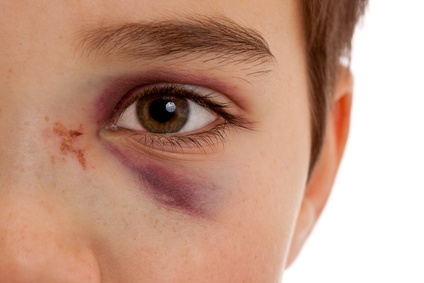
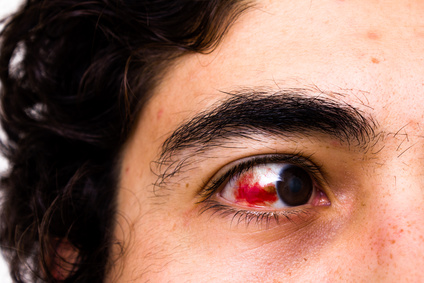
Black Eye: is caused by broken blood vessels (or, bleeding beneath the skin) around the eye. Hyphema is when there is bleeding inside the eye (blood in the front chamber of the eye or the cornea).

Treatment: make sure to apply a cold pack or ice pack to reduce the swelling of the patient’s injured eye. If blood is visible, in the eye, seek medical attention at the nearest hospital. If the patient has any vision problems or any blood leakage from the eye, seek medical attention immediately.

Foreign Objects: in the eye can be very severe, and proper aid is necessary.

Treatment: make sure your hands are clean. Make sure to pull the lower lid down while having the patient look up and vice versa in the opposite direction. Clean the patient’s eye with saline solution or water. Make sure to call 911 or take the patient to the nearest hospital if you’re unable to remove the object if it’s embedded, if there are any abnormalities, or if there’s persistent pain.

Chemical Splash: can cause extreme pain, mild pain, and no pain.

Treatment: make sure to have the patient run his/her eyes under lukewarm water for at least 20 minutes. Remove contact lenses, if needed. Call 911 or bring the patient to the nearest hospital if experiencing persistent pain. Make sure to have the patient take the bottle or the label with the name of the chemical to the hospital (for medical determinations).

Concussions are severe. Make sure to call 911 if the patient has:
1. Vomited more than once
2. Unequal pupils
3. Having/had a seizure
4. Unable to balance
5. Slurred speech
6. Neck and/or spinal pain
7. Very drowsy
8. Has Weakness on one side of the body

Evaluate the patient who suffered a head injury by checking for concussion symptoms and change in consciousness. This test should occur as soon as possible.

Treatment: make sure to have the patient stop the activity. Allow the patient to rest. To prevent swelling and worsening of injury apply ice wrapped in a washcloth. Treat pain with over-the-counter acetaminophen (Tylenol), aspirin or ibuprofen (Advil, Motrin). Note: it may make bruising worse. Monitor Symptoms and if any symptom is on the list above make sure to call 911 or EMS immediately. Perform CPR if needed.

Head Injuries usually result in minor bruises or bumps; however, some head injuries can be very severe and even fatal.

Call 911 immediately if:
1. The patient has had a seizure
2. Slurs while speaking
3. Patient’s pupils are unequal in size
4. Inabilities in the usage of body parts or motor skills
5. Loss of balance (make sure to tell the patient to sit down)
6. Confusion
7. Discoloration in the face
8. A severe headache
9. Severe bleeding from the head, nose, ears or face

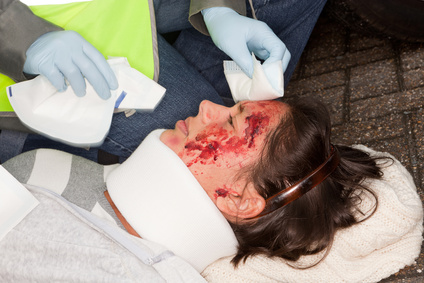
Do Not attempt to remove any articles off of the patient and unless necessary, do not move the patient. Cover the wound if blood is immense; however, do not apply any pressure for any head injuries (lightly cover the wound). Call 911 and perform CPR if the patient is without a pulse and unconscious or non-responsive.

Spinal Injuries are very dangerous. If any suspicion, whatsoever, of a spinal injury, do not move the patient. If the patient has had a head injury, back pain, has any numbness or lacks control of limbs, bladder or bowels—suspect a spinal injury.

Treatment: call 911. Make sure to keep the patient from moving. Perform CPR, if needed. If there isn’t a pulse, make sure to perform chest compressions. Do not remove any items from the patient. If the patient is vomiting or is bleeding from the mouth or nose, turn the patient on his/her side only if there are two responders—making sure to move the patient following each responders movement.

It’s not recommended to use a cervical collar. There is no real evidence of a benefit for cervical collars. Have the patient remain as still as possible until EMS arrives.

A Shock can occur for many reasons. Some reasons are poisoning, burns, blood loss, heatstroke, trauma, and any other serious medical accident. When a patient is Shocked, it can lead to a loss of oxygenated blood to vital organs which, if untreated, can lead to organ damage or possibly death. Signs of Shock: cold and clammy skin, unconsciousness or poor responsiveness, dilated pupils, and nausea.

Treatment: If the patient is unconscious call 911 immediately then perform CPR—if the patient is a child or infant perform CPR for 2 minutes and then call 911. Make sure to lay the patient down with his/her feet 12 inches above the heart. Check for C-A-B’s. You may need to put the patient on his/her side to prevent choking. Make sure to check for other injuries.

When a Seizure occurs, these are signs to look for: dizziness or faintness, uncontrolled bowel movement, breathing difficulties, unconsciousness or unresponsiveness, arching of the back, clenching of things—such as teeth. If a patient is ever unconscious or unresponsive, make sure to perform CPR and call 911. Some causes of Seizures are head injuries, fevers, brain damage, poisoning, cessation of oxygen to the brain, and diabetes.

Treatment: check universal precautions, remove any life-threatening objects, loosen clothing, and make sure to call 911 and respond with appropriate orders. Make sure NOT to restrain the patient unless the patient is going to be hurt or is going to hurt someone.

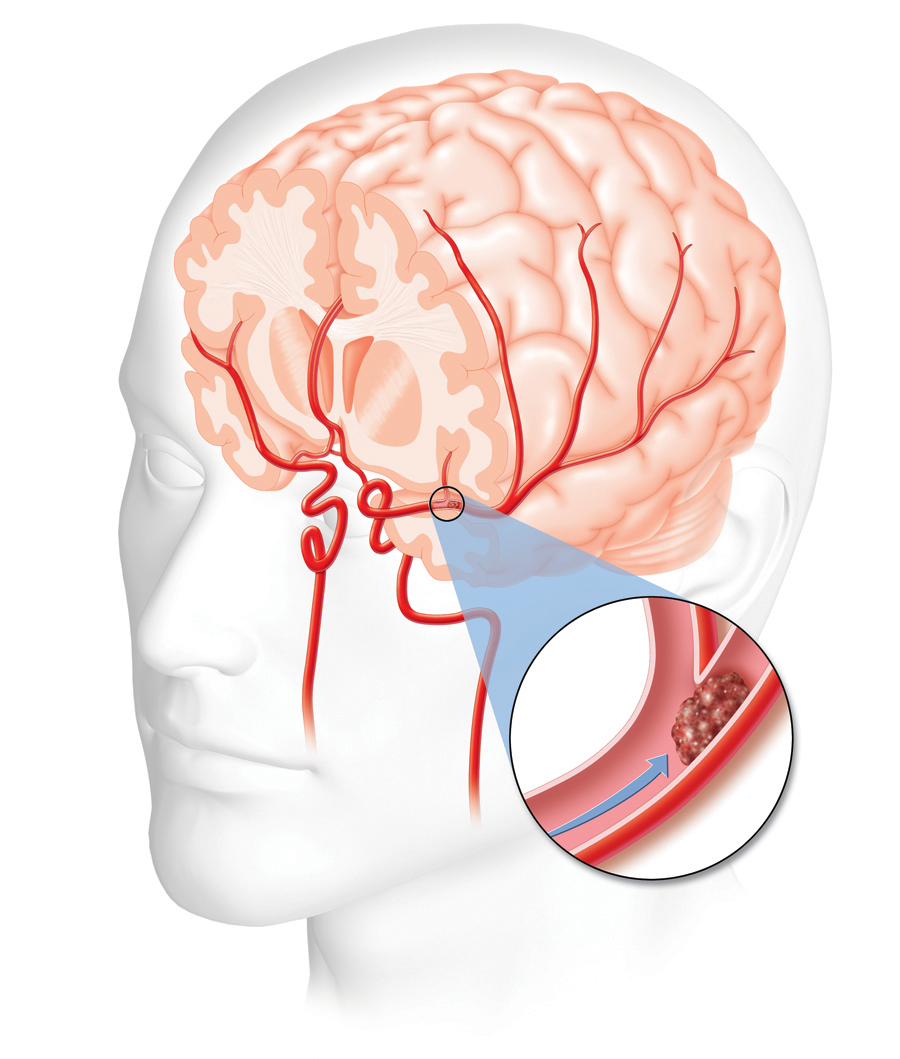
A Stroke occurs when there is a ruptured/blocked blood vessel in the brain. The brain begins deteriorating when it has a cessation of oxygen. If the patient falls unconscious or is unresponsive, call 911 and perform CPR immediately. It is recommended for first-aid providers to use a stroke assessment system. A System such as Cincinnati Prehospital Stroke Scale (CPSS) is a simple tool when assessing a stroke patient.

CPSS Stroke Scale:

Facial droop assessment:

To check: ask patient to smile
Normal: patient’s cheeks move equally on both sides
Abnormal: patient’s face moves unequally on both sides

Arm drift assessment:

To check: have patient raise arms at shoulder length for 10 seconds
Normal: both arms equally move together (another condition might occur: pronator drift)
Abnormal: arms fail to respond equally

Speech assessment:

To check: ask patient a question
Normal: patient does not slur and answers correctly
Abnormal: patient is mute, using abnormal words and/or slurring

If 1 out of the three examinations occurs there is a 72% probability of a stroke.

Risk factors: high blood pressure, heart disease, diabetes, smoking and having had a prior stroke.


Exam

Congratulations!
You can now take the Exam

A passing grade is 70% or higher. Just a reminder, if you happen to fail don’t worry there’s unlimited Testing. Just re-examine & retry. Good luck!

FIRST AID Standard

Accredited certification coursework complies with the cognitive guidelines of the AHA®/ECC, ILCOR, and OSHA for community and workplace requirements.


Notify us the RESULT once completed the EXAM.

1 / 12

If a patient is experiencing a Hemorrhage you should:

2 / 12

If a patient undergoes a Head Injury it’s possible the patient has had a concussion.

3 / 12

You should immediately call 911 if a patient undergoes a 3rd degree burn resulting from an electroshock.

4 / 12

There are 3 different degrees of burns.


5 / 12

Its okay to move a patient who has undergone a Spinal Injury.


6 / 12

What is the recommended initial treatment for a chemical splash in the eye?

7 / 12

What is the primary action to take if a situation is actively unsafe for providing care?

8 / 12

Call 911 immediately if a patient has a Heart Attack.

9 / 12

If a patient accidentally overdoses on a drug hold onto to the container and/or label for the EMS or hospital.

10 / 12

When treating Bites & Stings you should use:

11 / 12

Hypothermia is when a patient is extremely:

12 / 12

Symptoms of a Stroke can be:


Your score is

The average score is 46%

0%

Exit

GROUP dan CHANEL: Kertas Digital

Help Save Lives Today with Your Online CPR Certification Training!

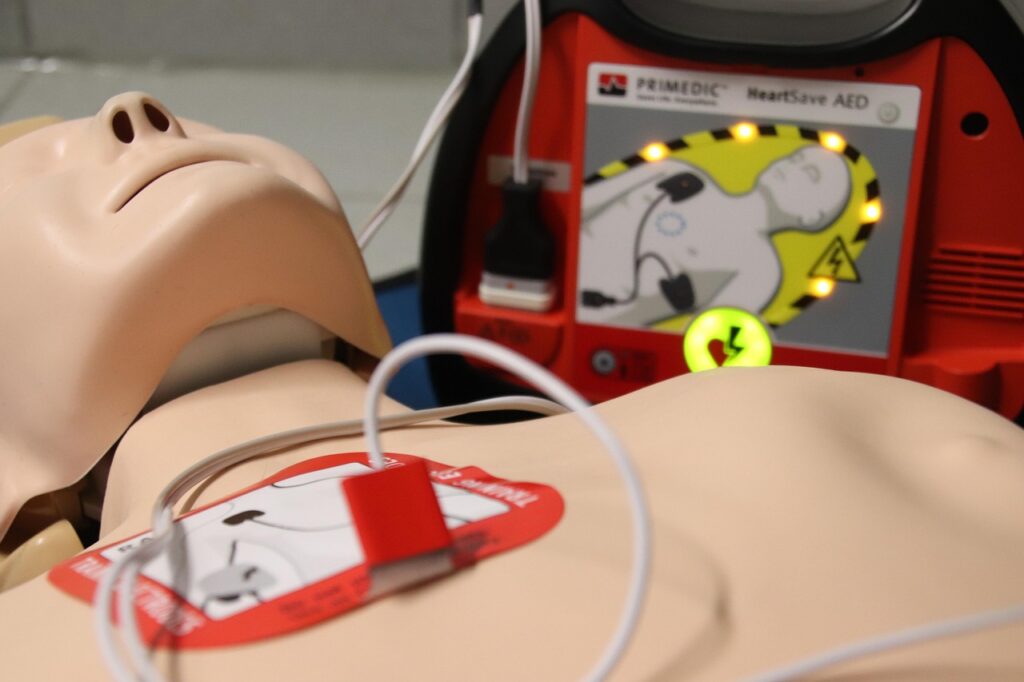
first aid, puppet, exercise, aed, defibrillator, rescue, medic, medicine, savior, help, emergency, accident, paramedic, rescue doll, first-aid training, training, patch up, doctor, health, medical, rettungsdiesnt, fire fighters, course, first aid, first aid, first aid, first aid, first aid, aed, aed, aed, defibrillator

F&I Production

Disclaimer : All products on kertasdigital.id are our own products and are not limited to affiliations with other companies in the form of embedded or connected links.

© 2025 Kertas Digital. All rights reserved.

STCW Certificates


20.09.202019.08.2021 Makassar


20.09.202019.08.2021 Makassar
20.09.2020 19.08.2021  Makassar

Ayo Kita Bergerak !

Persiapkan diri kita untuk pengetahuan yang lebih baik di sektor offshore

Cara membuat akun kursus online H2s :

Silahkan anda ikuti petunjuk di bawah ini

1. Silahkan klik nama admin kami dibawah ini, anda akan di arahkan ke whatsapp admin untuk pendaftaran dan aktivasi akun anda

2. Silahkan isi Form pada whatsapp admin

3. Lalu KIRIM / SEND

4. Silahkan menunggu, sementara kami daftarkan dan aktifkan akun kursus anda

5. Ikuti instruksi selanjutnya setelah anda mendapatkan akun LOGIN dan PASSWORD anda.

#TumbuhBersamaKertasDigital